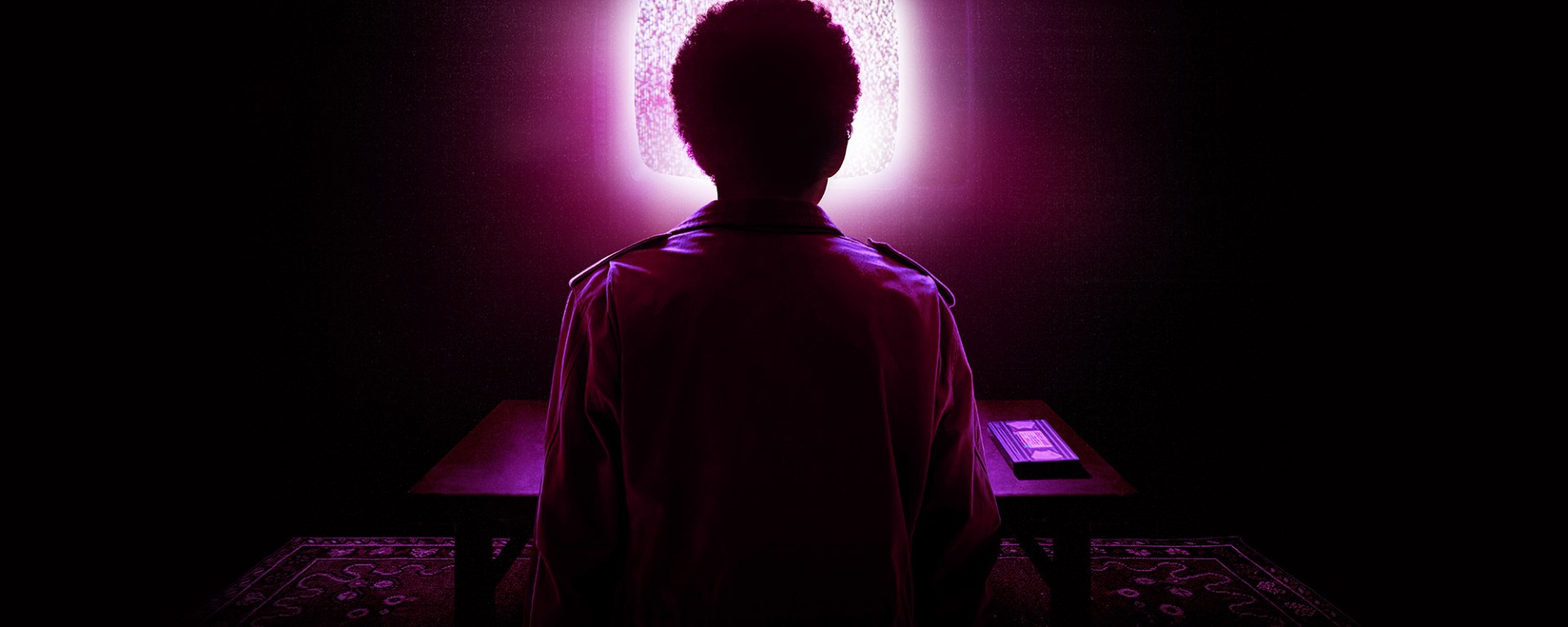
“Sometimes The Pink Opaque feels more real than real life.”
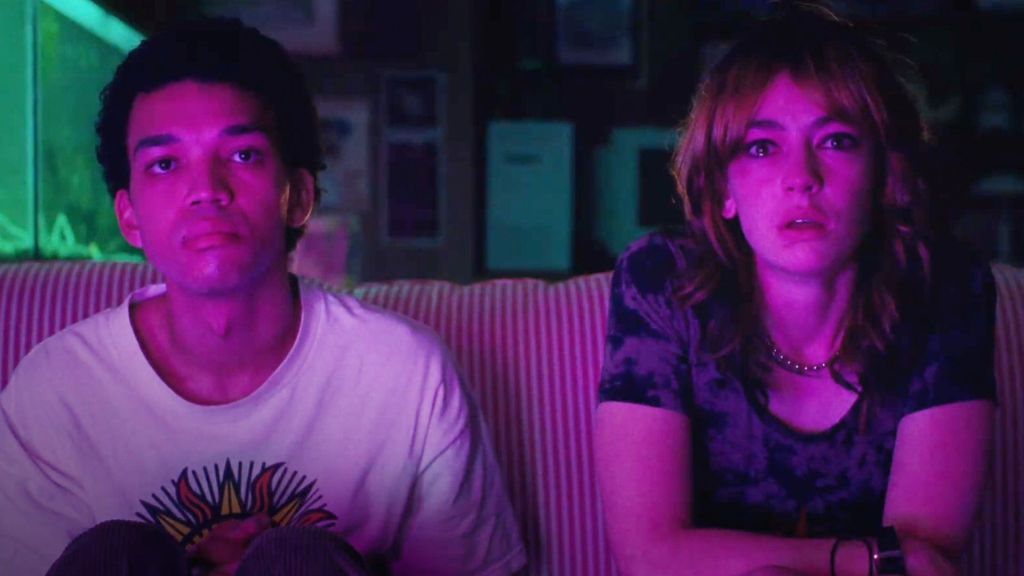
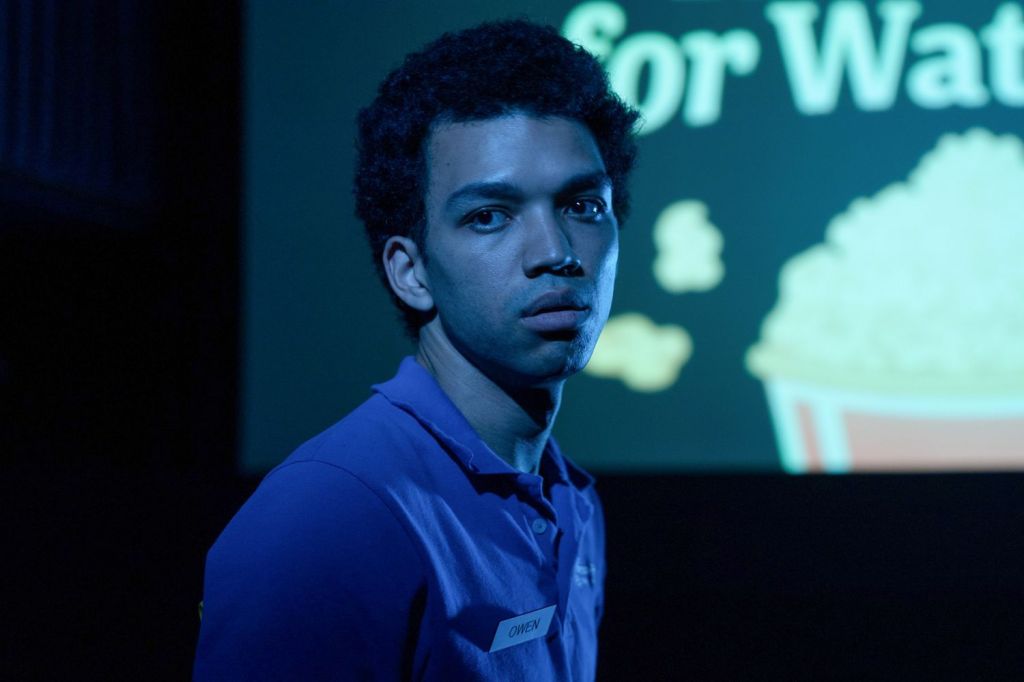
This has instant cult classic written all over it. Jane Schoenbrun, writer and director of low-budget, lo-fi horror “We’re All Going To The World’s Fair” returns for a sophomore feature that will have you dazed by the murmuring static of your childhood CRT. “I Saw The TV Glow” is a twisty, twisted meditation on media and identity, and how it often mediates the two. An openly queer and trans-coded allegory for both finding and losing yourself in the very specific piece of fiction that dominated your teenage years. Set in 1996, the film centers on a pair of Saturday night cult show obsessives, played to awkward perfection by Justice Smith and Brigette Lundy-Paine.
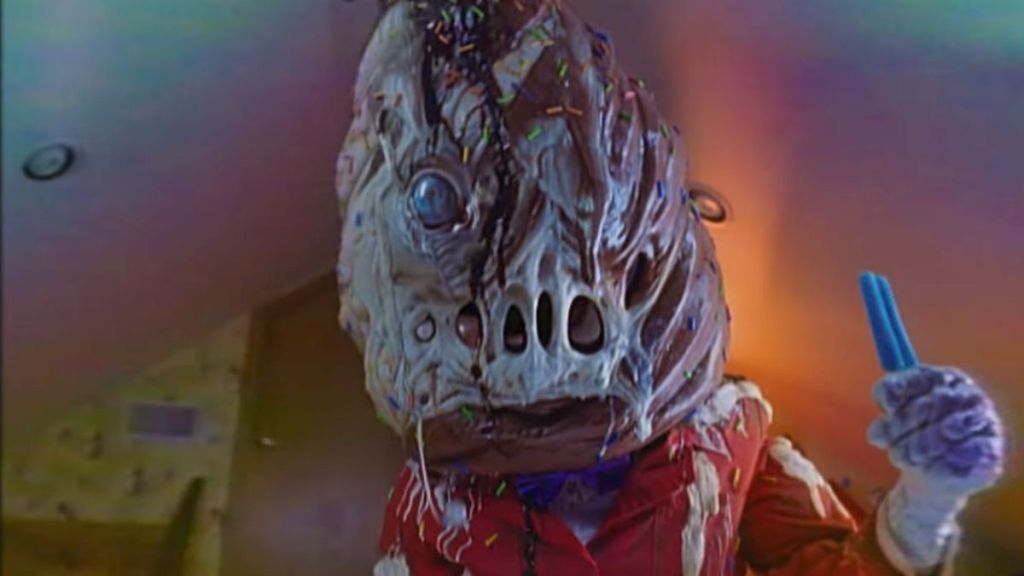
The two bond over their collective love of the Young Adult Network teen sci-fi adventure series, “The Pink Opaque.” As the narrative darts between the passage of time, the bulk of Owen & Maddy’s obsessive streak is set in the years where fandom was an act of physical participation – sitting far too close in front of your TV screen, scouring bookstores for in-depth episode guides, and gathering the few people who all spoke the same secret language on a single sofa. The lines between reality begin to blur for both Owen & Maddy, who can hardly distinguish their own memories from that of The Pink Opaque’s leads. Soundtracked by the likes of Snail Mail, Phoebe Bridger, Alex G, and Caroline Polachek, the music itself plays out like a glorious mixtape forged from the fractured minds of teen outcasts.

Eric Yue‘s stunning cinematography lends itself to a persistent dream-like dread that permeates the film’s runtime. Moments spent with Owen and Maddy span years, and yet the viewer is never quite sure how much of the truth is reflected by what’s presented onscreen. And despite lacking traditional “scares,” TV Glow will burrow under your skin both during and long after having witnessed it. After five seasons and an unceremonious downer cliffhanger ending, The Pink Opaque hangs in that fateful purgatory of never knowing proper resolution. This spurs Maddy to take matters into her own hands, hoping to cross the boundary from our world into the one inside the television and forge her own happy ending. However. Which side of the screen is reality?
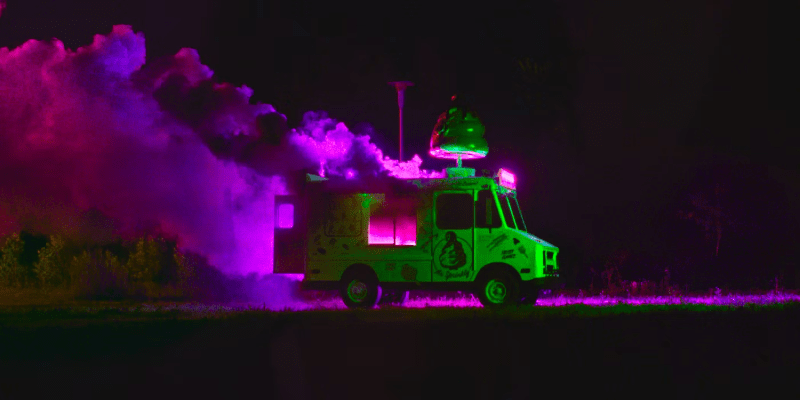
This neon-soaked rumination on allowing a piece of media you love to both offer you comfort and isolate you from the rest of the world could easily be mistaken for a mood piece or tone-poem whose substance is overshadowed by its visuals, but the message is clear: “There is still time.” Time to stop stifling your own self-actualization. The persistent horror throughout is an existential one – the frightening reality of living in a body that does not belong to you, in a life that feels as though you are only ever in the passenger seat. There are images and sequences that will be burned into your retinas upon first viewing. The ending will undoubtedly challenge the average audience member, (the film concludes decidedly abruptly) but it is without question a deeply rewarding, semiotically-dense watch, packed to the brim with damning commentary on our relationships with our own closest sources of comfort.
Just.
Be sure not to sit too close to the screen.
 How Lucky Media