
Look.
As a residential Opinion Haver™ on all things media, I’m a keen observer of trends and the discourse that ensues around them. And I wanted to take a moment to address a pop cultural pandemic that has run rampant for the last decade and a half:
The Platonic Love Industrial Complex.
For the uninitiated, the Platonic Love Industrial Complex (henceforth PLIC) is a pop cultural movement that is a direct reaction to decades of media that centered on primarily romance as a core and singular expression of love within media. The PLIC agenda exists as a pushback to the oversaturation and prioritization of romance as the highest watermark of human relationships. At face value, this is a good thing – a call to arms to have artists depict the many multiple and nuanced forms of love that exist within our everyday lives. Found families, ragtag teams of unlikely companions that come to value each other, sibling relationships, and so many more fall under the PLIC umbrella.

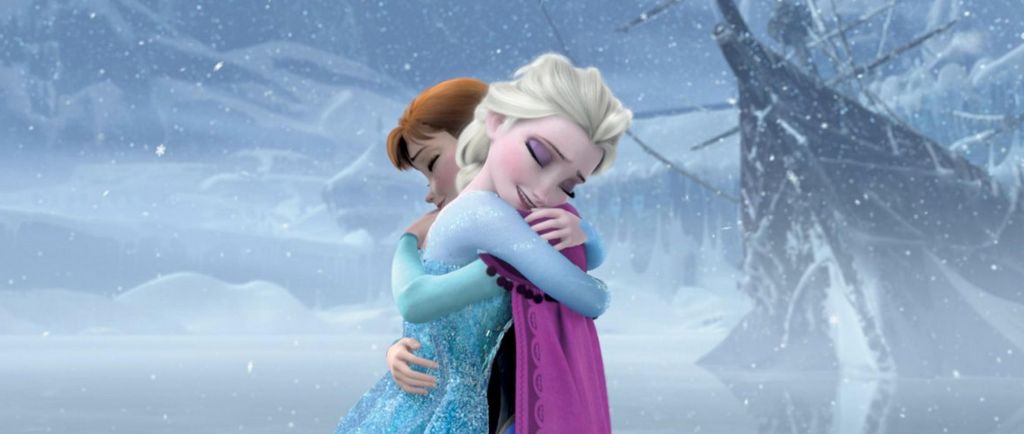
Many of us are not blessed with perfect families. We don’t get to choose our blood relations, but we have the ability to choose the people within our lives with whom we impart value and meaning, and for a time, this was a refreshing change of pace. Suddenly, many new stories are brewing about the many ways with which we can express the love we have for each other. A watershed moment can be traced back to Pixar’s 2013 animated smash-hit, “Frozen,” which smartly undercut the brazen and oftentimes hasty romances upon which many classic Disney fables hinge, opting instead to lampshade the importance of the familial love between the two sisters at the heart of the tale.
A problem arises, however.
Once an old paradigm is phased out of the current pop cultural zeitgeist, the one that replaces it risks the same cycle of boom and bust. The initial outcries of “why must everything always be about romance?” sway too much to one side. And with enough repetition, the levee begins to break. Especially in the last five years of pop culture that have churned out countless thinkpieces about “unnecessary sex scenes” in media, a prudish, sterile, romantically-repressed variant of media consumer emerges that winces at the very thought of witnessing two characters pressing their lips together. The PLIC‘s most ardent devotees are all too eager to chew the heads off of anyone that dare suggest that a pair are giving each other prolonged glances of yearning. Multiplied en masse, and suddenly there are legions of internet denizens furiously clattering away on their keyboards with uproarious fervor chanting in unison:
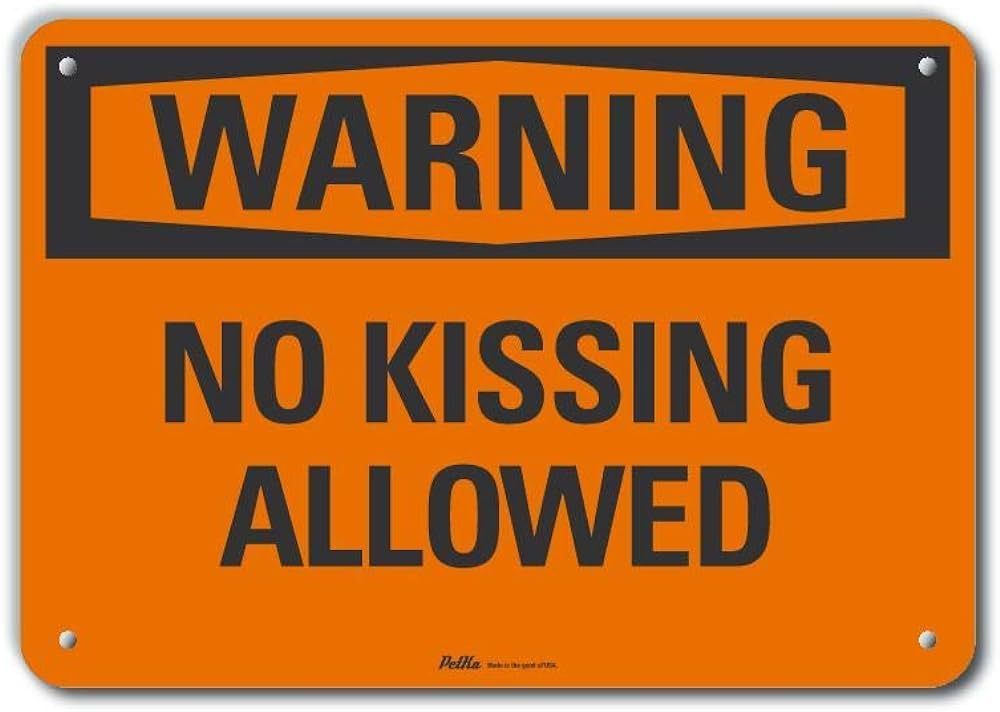
So rare has it become to witness stories that actively take pleasure in inviting the audience to partake in the thrilling highs and lows of onscreen romance. While it has been a heartening decade and a half excursion into platforming other modes of meaningful relationships, I fear the pendulum has swung too far in one direction; I now actively crave the rush, the angst, the palpable sexual tension of two characters coming to realize the feelings they have for each other.
One such instance continues to live rent-free in my mind: that of McWexler. Better Call Saul, the critically-acclaimed (yet somehow Emmy-denied) prequel series to Breaking Bad (one of TV’s all-time greats), hides a bewitching secret in its backpocket over the course of six seasons – it’s a love story. Yes, yes, it’s also about Jimmy McGill‘s inevitable moral descent into becoming the eventual huckster “criminal” lawyer that would aid and abet Walter White. However. It’s also about the breathtaking will-they/won’t they between James Morgan McGill and Kimberly Wexler (thus we arrive at McWexler). Their lighting-in-a-bottle chemistry propels so much of the narrative forward, to the point where both moral and mortal stakes abound as a result of the two falling deeper and deeper into each other’s orbit. The criminal underground catches up to the pair, lives are lost, and yet I remain clinging to the edge of my seat with white-hot anticipation as to how the story will end for our misfit duo.
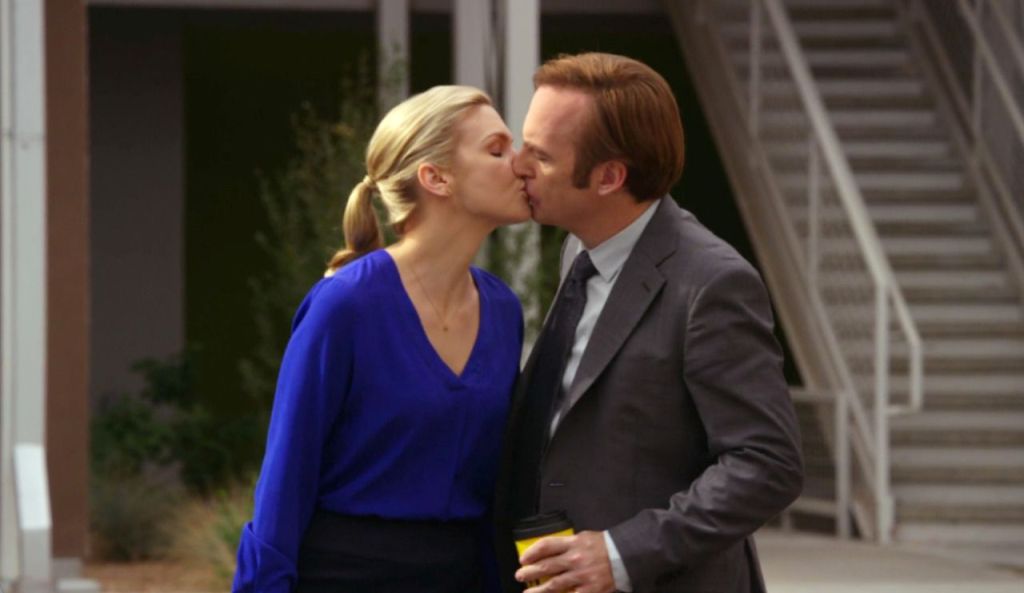
Had the PLIC had its way, I would have been robbed of daresay the most alluring, magnetic, jaw-dropping television romance of the last twenty years. How fortunate are we the audience members that Peter Gould and Vince Gilligan decided to take a half-step away from the more popularized romantic tragedies of our time (take the ill-fated Jon Snow & Daenerys Targaryen as a prime example). The proliferation of the PLIC has also coincided with an uptick in the subversion of happy endings. Tragic, somber, bittersweet endings seem to paint the current cultural landscape aplenty in the light of the last days of Antihero Television. And I have grown far too eager for a return to happier endings. Endings that allow two characters to act upon the long-gestated, simmering romantic tension that has been brewing for seasons on end.
There is nothing wrong with an all’s-well-that-ends-well. Just as there is nothing wrong with two characters falling in love.
And with Ayo Edebiri‘s recent comments seemingly shooting down the possibilities of romance for Sydney and Carmy in the upcoming third season of The Bear, an onslaught of online replies have easily followed, swearing up and down that romance would sully the connection these two characters possess. To quote the comments section of a recent article from The Ringer: “No! Grownups of opposite sexes can be friends!” As though such a claim is somehow revelatory in a landscape that increasingly pushes back against the threat of romantic involvement. The words are spoken with such a tone one might forget it’s already been the predominant worldview reflected in our collective fictions for quite some time now. The rise in outwardly puritanical views of human relationships instigated by the PLIC, in tandem with general audiences’ growing unwillingness to engage with deliberate semiotics leaves many a viewer gobsmacked when a telegraphed romance ends up being enshrined in canon.

Fortuna’s wheel has spun so far from the days of oversaturated romance that depictions of purely platonic, sexless relationships are now the top dog, and a hefty, nonzero portion of the audience will vocally defend the new norms instated by the PLIC. Something’s gotta give. When the scales tip too much in either direction, there comes a time when a clamoring for change emerges; perhaps a regression to the mean, or a new paradigm altogether. But my point is this: subsisting purely on one branch of expression indefinitely will tire, no?
To both those current and aspirational writers of the world, I have but a single message:
Be not afraid to let your characters kiss.
Let them explore their feelings in a way that is true and authentic to what they want and what they value.
Yes, there is absolutely merit to the plethora of platonic relationships that exist in our multitudinous modern lives. There will always be a need in our art to depict the vastness of the range of human interaction.
That should not, however, also mean that we deprive ourselves of romance within our storytelling.
 How Lucky Media