
Ahhh, that splendid galaxy far, far away. We all know it. Whether or not you have directly partaken in watching, playing, or consuming it in any way, Star Wars is a cultural linchpin that has won the world over since 1977. Monoculture (with respect to pop culture) is defined as domination by a single cultural element, as marked by homogeneity. Star Wars is second only to Pokémon in terms of total global appeal. Over a thousand of those lovable, capturable pocket monsters leads to many a marketing tie-in. Star Wars as a brand operates on a similar wavelength.
The brainchild of George Lucas practically invented the idea of repeated viewings in theaters. Lines would wrap around blocks trying to get in for another chance to visit the most inviting fictional playground cinemas could offer. And with such massive international success, generations of Star Wars stories would come and go, each with their own round of reactions from the general public.
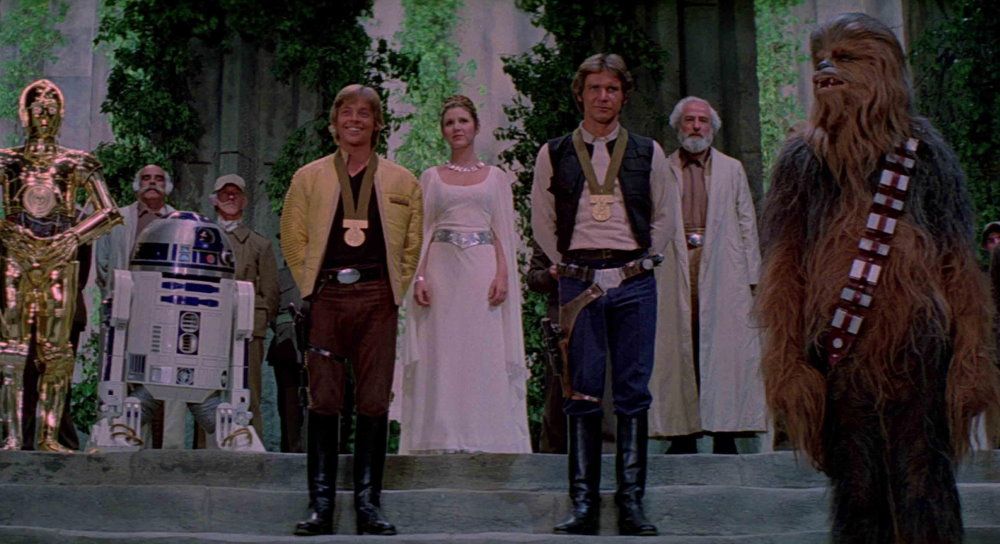
Fast forward to the present day, and Disney-Lucasfilm have announced the cancellation of their latest series, Disney+’s The Acolyte. And I would contend that this particular instance spells a grim future for the storytelling of that beloved galaxy far, far away. The circumstances behind the studio’s decision, and the specific phraseology utilized differs from the lack of continuation we’ve seen with previous outings (Kenobi, and Book of Boba Fett come to mind). There is a deeper existential threat on the horizon for the franchise, which culminates in this vast, open sandbox being reduced to the same doors and same hallways. But who is ultimately responsible for this, and how exactly did we get here?
Let’s wind the tape all the way back. The Acolyte is the latest entry in the Disney+ Star Wars catalog, and centers on the Jedi of The High Republic, a time period prior to The Phantom Menace when the Jedi Order was at the height of its power. Leslye Headland, an openly queer creator, is the showrunner of the series. Its lead actor is Amandla Stenberg, a young black woman known previously for her roles as Rue in The Hunger Games, and more recently as Spider-Byte (Margo Kess) in Across The Spider-Verse. A diverse cast including Lee Jung-Jae, Manny Jacinto, Dafne Keen, Joonas Suotamo, Rebecca Henderson, and Carrie-Anne Moss comprise the ensemble. These facts alone are enough to drive a certain subsection of the fandom into a frenzy over the show having a purported “woke agenda.” Said aforementioned subsection are the direct result of years of fan emboldening that can be traced back to as early as the 1997 VHS Special Edition box set of the Original Trilogy.
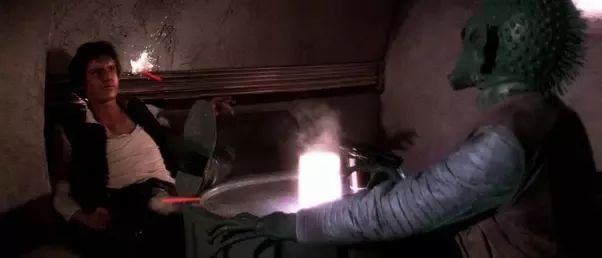
Growing up, this was how I was first introduced to the franchise, and yet there were always lively conversations (read: debates) in my household about authorial intent. For in these Special Editions there existed changes from the original theatrical releases that many argued changed fundamental facets of both the story and its characters. A timeless example of this is the oft-cited “Han shot first” incident at the Mos Eisley Cantina, wherein the Special Editions featured an edit that sees Greedo firing his blaster, and then Han Solo retaliating with his own.
Many fans felt as though this after-the-fact change fundamentally altered the characterization of their favorite space rogue – whereas Han initially fired first out of self-interest, in the Special Editions, he fires back purely out of self-defense. Whether Lucas had the foresight to know how this would be received or not, these changes had the adverse effect of creating a relationship between the series and the fans wherein they felt they knew better than the creatives, further fostering a sense of entitlement over the fictional world they loved so much.
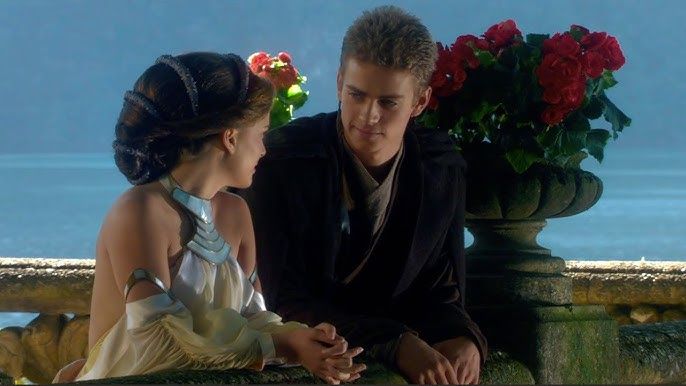
1999 saw the premiere of Episode I: The Phantom Menace, and the beginning of the Prequel Trilogy. This would mark an uptick in the number of fans acting out of entitlement and bad faith. And despite the seemingly miraculous turnaround in public opinion regarding these three films, the decade of their release bore witness to a fairly unanimous malignment. Alongside the less-than-stellar reputation had been a sizable number of targeted attacks on the cast members. Hayden Christensen would not receive his flowers for many years, despite now being seen as an essential part of the franchise.
Jake Lloyd, actor of Young Anakin Skywalker, exited acting altogether after the series of harangues leveraged towards him in the wake of The Phantom Menace. Ahmed Best, known for his work as the silly Gungan, Jar Jar Binks, was driven to near suicide as a result of the endless deluge of fan backlash. Not only did a growing minority of viewers feel as if they undeservedly knew what was best for the series, their vocal disdain for anything not to their liking was met with utter toxicity, and in its worst cases, even death threats. Equally concerning was the failure of the parent company to adequately insulate actors from such malicious behavior – a fact that would continue to persist to this very day.
Oddly enough, in spite of all its ire and consternation, the Prequel Trilogy would find itself rebounding in the realm of public opinion in the years since its release. The rehabilitation of these films is a heretofore unheard-of phenomenon; I can’t think of another group of films that have so wildly swung in favor to the point where there are legitimately truthers who claim that these films were always beloved by the public (despite a decade of continuous flaying at its expense). It’s not at all an exaggeration to say that the sheer amount of memes that the prequels lent themselves to helped endear themselves to the public. The eventual success of the animated Clone Wars series would help bridge the gap between key plot points in the films, and also add much-needed thematic exploration that made the characters and its time period feel more fleshed out.
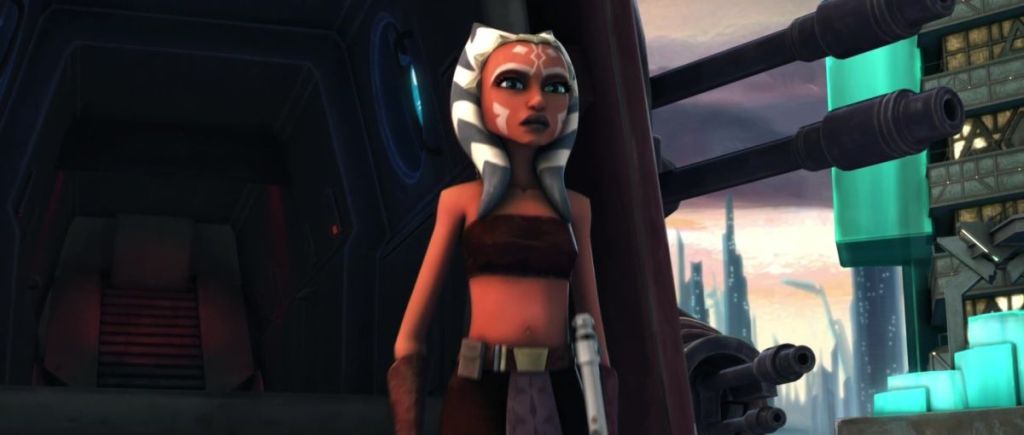
Naturally, the show was met with intense initial resistance, particularly at the existence of the now-fan-favorite Ahsoka Tano, padawan of Anakin Skywalker. Despite being heralded as a mainstay of the current Disney Star Wars live-action lineup, Ahsoka underwent much growth during the turbulent years of The Clone Wars. Enraged outcries of the show retconning canon lore grew louder as the world familiarized itself with social media. And yet, the series would find its footing after being allowed to grow into the best version of itself (hold onto that thought), and ultimately would inspire many to revisit the prequel films and the context surrounding them. Furthermore, even actor Ahmed Best would receive a second chance in the aftermath of the turnaround, being knighted as the skilled Jedi Kelleran Beq, featured in The Mandalorian.
At the same time as the Prequel Trilogy received its delayed acclaim, the Sequel Trilogy would be well under way with 2015’s Episode VII: The Force Awakens. And despite being one of the most financially-successful films of all time, word of mouth soured on Episode VII and its new generation of heroes when the hate campaigns came to town. Not even a week after theaters worldwide would be cheering for its release, online thinkpieces aplenty flooded in, claiming it to be nothing more than a cheap, beat-for-beat carbon copy of A New Hope – a discrediting claim that did no favors for newcomers Daisy Ridley, John Boyega, and Oscar Isaac, who all turned in instantly-charming efforts as Rey, Finn, and Poe, respectively. Boyega & Ridley in particular would face a veritable onslaught of internet hatred for roles they performed admirably, on the bogus grounds of racism and sexism (a dual front that has and continues to plague Star Wars monoculture).
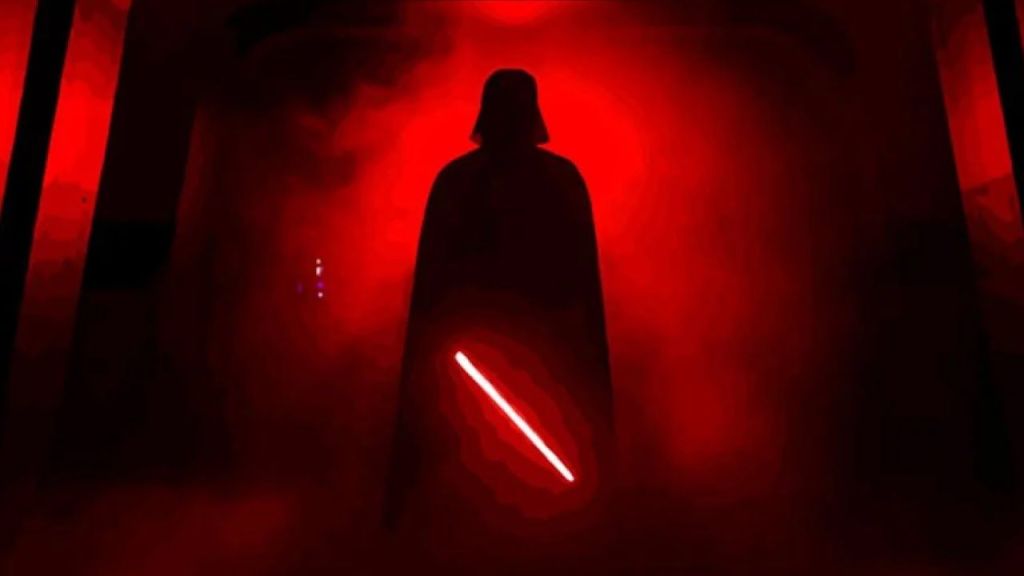
2016’s Rogue One: A Star Wars Story is the first in the line of Anthology films aimed at connecting the dots of this vast universe. Though there were notable reshoots, (with this film being more outwardly a studio effort rather than a singular unified vision solely by director Gareth Edwards) changes were made that would ensure that certain fans would be very pleased with the final product. This of course includes the infamous Vader hallway scene, wherein the dreaded Darth himself brutally slays rebel after rebel in an effort to retrieve the Death Star plans. The by-committee nature of Rogue One‘s production is notably visible in its first two acts, prior to the more memorable third on Scarif. All the same, this entry boasted a number of troubling harbingers for the franchise’s future – a penchant for shiny object dangling, ghoulish CGI resurrections, and a deference to Rule of Cool. We would especially see the Star Wars nostalgia ouroboros ravenously eating its own tail with The Mandalorian’s Season 2 finale, wherein Luke Skywalker arrives on the scene, repeating the very same hallway sequence from Rogue One, albeit set to a more triumphant soundtrack. What previously existed as a welcoming, standalone outback take on a universe mired in continuity has just crossed a definitive line into Skywalker Saga territory.
In an effort to please the largest amount of the increasingly rambunctious global audience, Star Wars retreated into risklessness and brazen fan service – an albatross that hangs heavily around the neck of creativity.
Enter 2017’s Episode VIII: The Last Jedi. Rian Johnson’s thoughtful, subversive, thematically-rich meditation on all things Star Wars should have signaled a renaissance of creativity for the franchise. Keyword: should. A film all about reckoning with legacy, heroism, and stripping morality of outdated binaries was poised to push the franchise past baseless nostalgia, urging the audience to take with them from the past only what was useful in order to forge a better future. Instead, it became the battleground of a culture war the likes of which have permanently changed the terms of engagement for online discourse altogether.
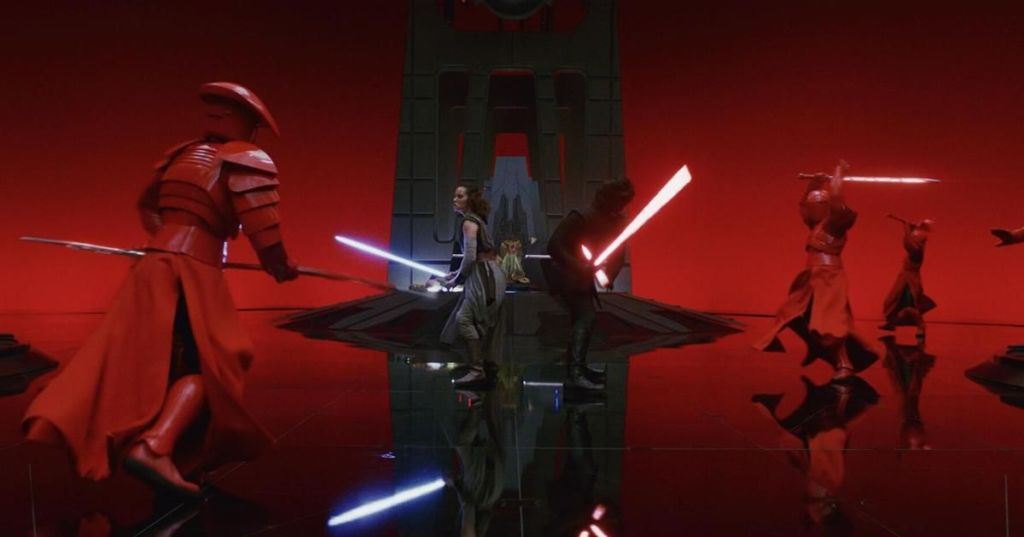
Bad faith, knee-jerk reactions aplenty found their homes on many a grifter’s YouTube channel, cashing in on the lucrative industry of hate-click ad revenue. A willful misunderstanding of the film, its characters, and its themes on the part of many an enraged dudebro leads to a standardized playbook of complaints that are rooted in a desire to hate more than understand. It’s astonishing how many of their complaints are addressed by the film itself , not the least of which involves Luke’s most compelling arc as a downtrodden Arthurian hero who must confront and affirm his own mythology. Online harassment reached a particularly scathing simmer with invective towards Kelly Marie Tran, who portrayed Rose Tico – a supporting character that underlines a core theme of the film: “That’s how we win – not by fighting what we hate. But saving what we love.”
The outlandish backlash that followed The Last Jedi‘s release was truly of a different breed; not only did many loud, racist, sexist detractors (Editor’s Note: do not conflate these attributes as necessary for leveraging criticism towards this film; it simply accurately describes members of a very specific sect of the monoculture) vocalize their disdain, but they took the film as a personal affront to not only the series they loved, but to their childhoods. If you are reading these words and they happen to describe you, I have genuinely nothing to offer you but my pity, for we should be so blessed to receive entries to the things we love that aim to genuinely move the needle forward. The political overlap between the most vocal camp of TLJ haters and Trump supporters should tell you something about their ability to think critically. Truly, the worst of the fandom were out and about in broad daylight post-2017, and they weren’t even trying to be subtle about gatekeeping Star Wars from anyone who didn’t align with their myopic sensibilities (which is to say anyone whom they deemed a “diversity hire” or “pundit for the woke agenda”).
The problem with monoculture is that if the entire world is your audience, there will guaranteedly be an undeniable contingent of “fans” that will make their opinions well-known, as shouted into a megaphone. They refuse to be challenged, they expect to be catered to, they are prone to fits of disturbing harassment, and will make their problems everybody else’s. And so we reach a boiling point where the culture war raging inside the global Star Wars fandom has become a battle for the soul and identity of the series itself.
Perhaps no greater example of this world-contained conflict is that of 2019’s Episode IX: The Rise of Skywalker. With JJ Abrams back at the helm, and Lucasfilm terrified of enduring the same reactions as Episode VIII, the final entry in the Skywalker Saga (the close to a trilogy of trilogies, mind you) sought to placate the worst offenders of the TLJ hate campaign. The film is a hastily-assmbled roller coaster that sacrifices character, meaningful developments, and theme in the name of providing a deeply unchallenging thrill ride.
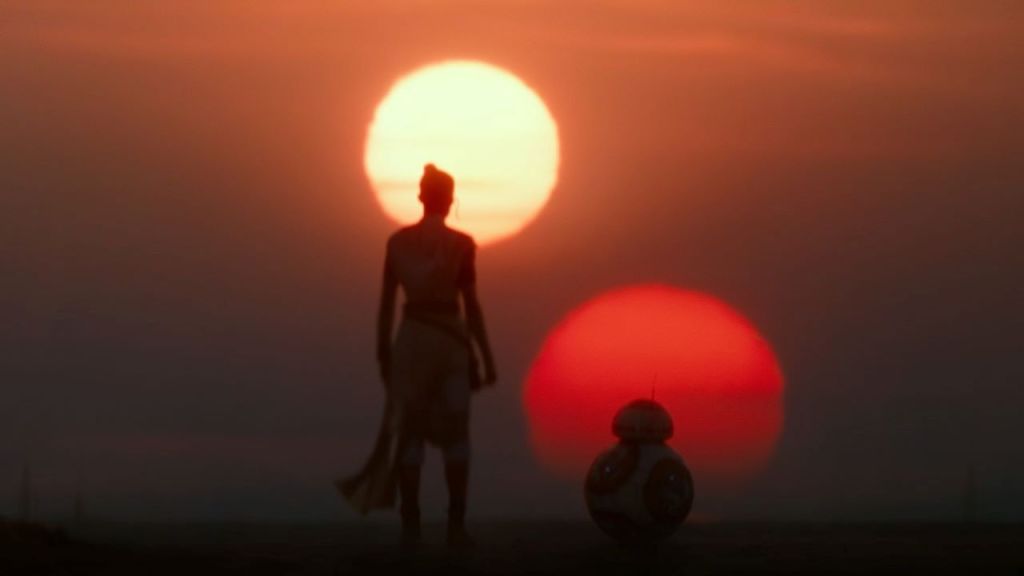
What we end up with, however, is an entry that sullies the entire framework of the story that had been built up from 1977 (don’t even get me started on the “Somehow, Palpatine returned” of it all). There isn’t a single existing character that is bettered by the duration of the film’s events: Rey is reduced to a virginal-white-clad, submissive version of herself that now seeks the approval of her short-term mentor (in an obvious attempt to make her palatable to dudebros who incessantly griped about her power), whose lineage is retconned to be attributed to someone else in the name of trite appeasement. Kylo Ren’s turn as the redeemed Ben Solo is short lived, as he withers away, and is immediately forgotten by not only the narrative, but the many people who loved him and sacrificed their lives for him. The list goes on and on (and even includes our dearly beloved Original Trilogy cast). In the end, the film’s very existence is a testament to the mounting pressure of giving in to the vitriolic spewings of a particularly loud group, and the whole of Star Wars is worse off for it. All thematic weight tossed aside in an instant. No lasting exploration about what becomes of the Jedi Order, nothing. Just an empty, hollow appeal to what already was, bookended with a version of Rey that feels wholly incongruent with the character she was in both films prior.
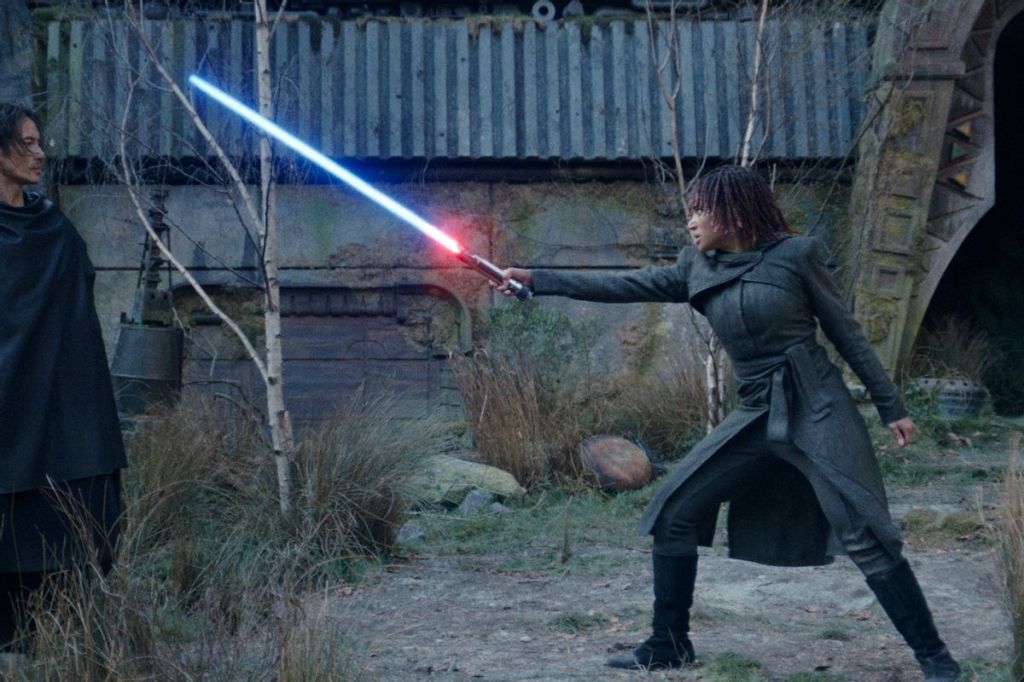
And so we arrive at The Acolyte. A show with a queer showrunner and a diverse cast of excellent actors that is being denied any further momentum because of those very reasons. Never mind the meaningful deep dives it offers in terms of the Jedi Order’s public fall from grace that informs the version of the Council we see in the prequels. Never mind the genuinely gripping performances by every major and minor character. Never mind the open and refreshing embrace of romance, autonomy, and Dark Side exploration. The very same bigots who continue to dominate the discussion of the larger monoculture are rewarded yet again for screaming the loudest; The Acolyte will not be afforded a second season to truly come into its own and expand the corners of our beloved Galaxy Far, Far Away.
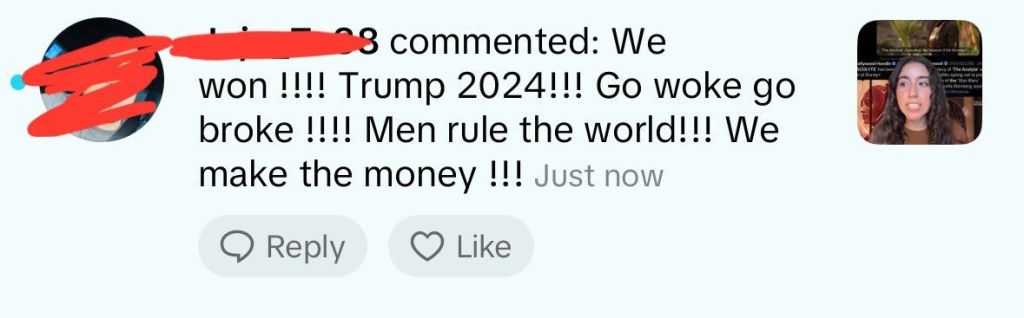
This is all before one even makes mention of how those same alt-right grifters, shouters, and overall haters have flooded every social media platform where The Acolyte could so much as bear a mention. It genuinely does not take long to find their desperately uninformed, unintelligent takes on every official Star Wars post, to say nothing of the vitriol they spew at members of the cast. The complete lack of self-awareness makes their contempt all the more grating.
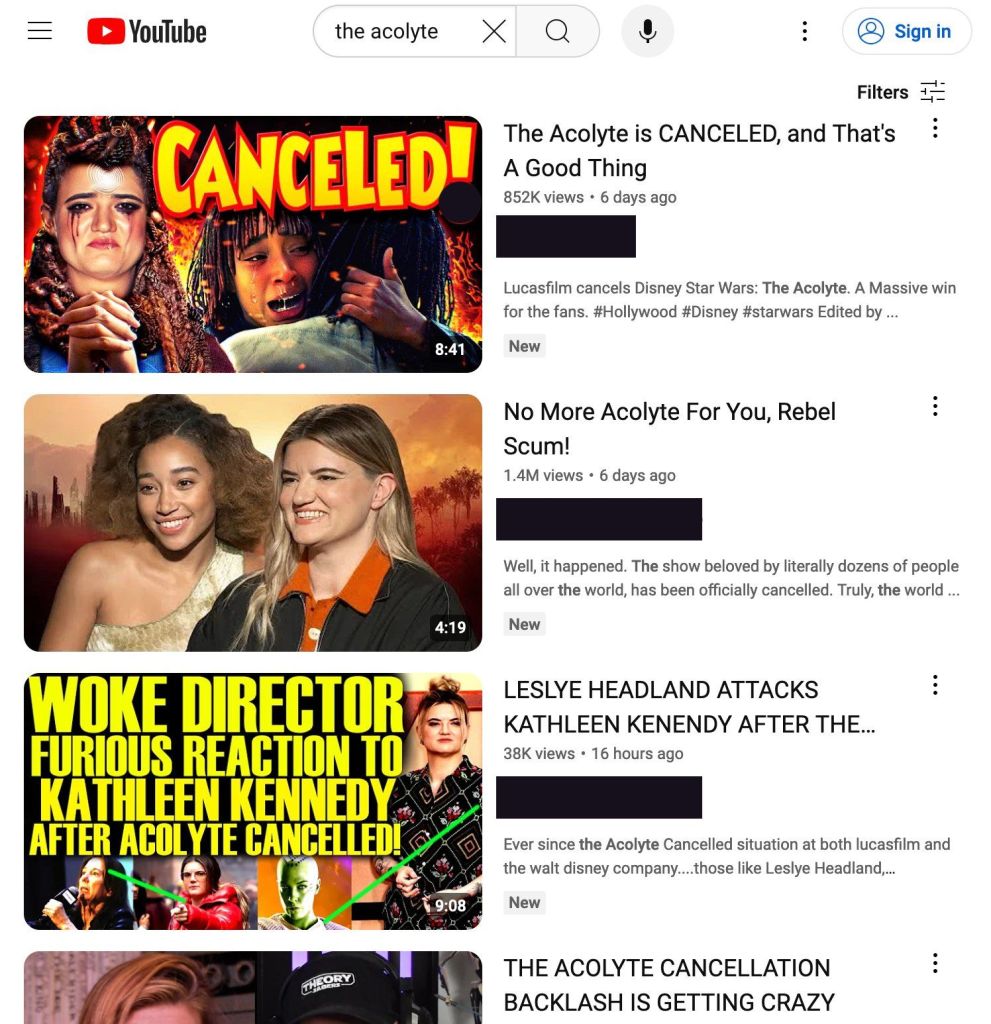
The YouTube algorithm will spit up the most wretched, hate-driven videos at the forefront of its search results, coloring the tone with which the average person is expected to align their opinions. Even if you found yourself enjoying The Acolyte a normal amount, and finding that you found faults with it, there is little in the ways of overt positivity or even level-headed criticism that you will find with the most basic of search attempts, be it video or article online.
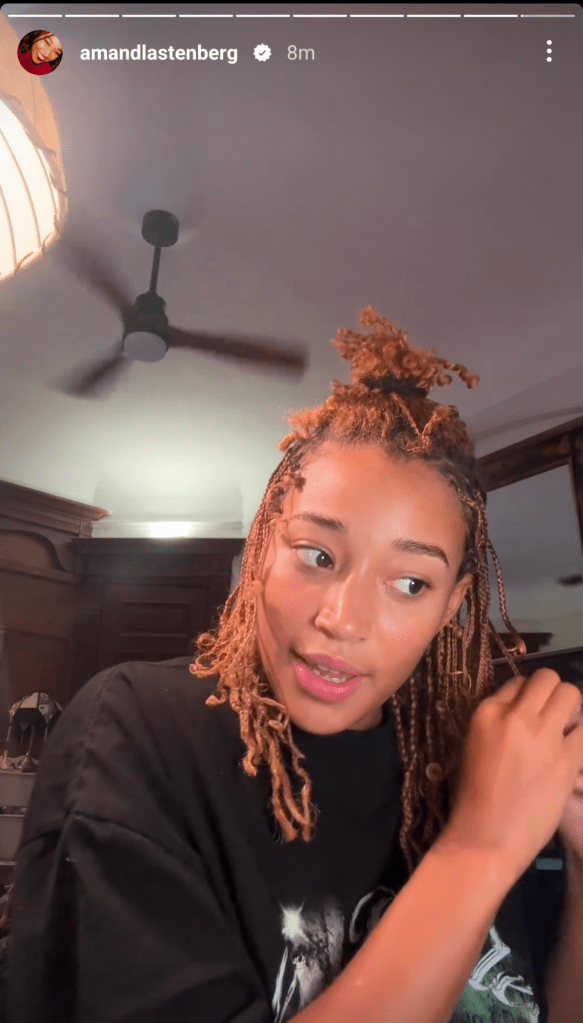
Just today, Acolyte star Amandla Stenberg (who has smartly refrained from social media in an attempt to retain her sanity) took to Instagram to post a series of stories detailing her feelings on the recent cancellation. She speaks on behalf of the challenge of having to confront the daunting influx of disproportionate hate messages, and how she has only been able to center herself thanks in large part to the fans who have been encouraging of both her participation and have been operating in good faith about the narrative and its possibilities. This comes, of course, on her own merit, as Disney-Lucasfilm have yet to offer her the public dignity of insulating her from further harm, as many a lead are left to the wolves.
Moreover, the end of The Acolyte signals both a turning point and a crisis state in the upcoming future of Star Wars – if the loudest, most obnoxious fans are allowed to dictate the terms of the very storytelling we receive (as the parent company continues to kowtow to the demands of their most precious, toxic, golden goose demographic), Star Wars will never heed The Last Jedi’s call to evolve past empty nostalgia. Rolling Stone, Forbes, and The Nerdist have all published articles dispensing similar omens about the future of the franchise. The slate of upcoming works only seems to affirm such arrested development, with the exceptions of Andor Season 2 and the ’80s action-adventure flick-inspired Skeleton Crew, the bulk of Star Wars‘ future very much looks like an action-figure-driven focus on Favreau and Filoni’s Mandoverse (which of late has increasingly scoffed at any larger machinations than veering towards an MCU-style Avengers teamup with Thrawn as their surrogate Thanos).
The trouble with monoculture is that those who feel entitled to that which they love never have its best interest at heart. For Star Wars to truly evolve, we must vocally denounce with the same volume and fervor those who would otherwise keep the franchise hostage within the steadily-shrinking confines of their problematic sandbox. Were the fresh ideas present in The Acolyte given the room to breathe and flourish naturally, we may have a shot at escaping the same old, same old. For those who enjoyed the season and would like to see more, the petition to save the series can be found here.
 How Lucky Media