
For better and for worse, the Tron franchise has always been an encapsulation of the technology of the times, and humanity’s ever-evolving relationship with it; in 1982, it captured the burgeoning zeitgeist of arcade video games, and the dawn of the personal computer. In 2010, Tron: Legacy spoke to the next generation growing up with the technology from the original film, and finding their place in the world alongside it. It stands to reason, then, that in 2025, Joachim Rønning‘s Tron: Ares feels akin to watching AI slop – an artistically-starved series of images with little penchant for emotional resonance, paying cheap homage to the iconography before it.
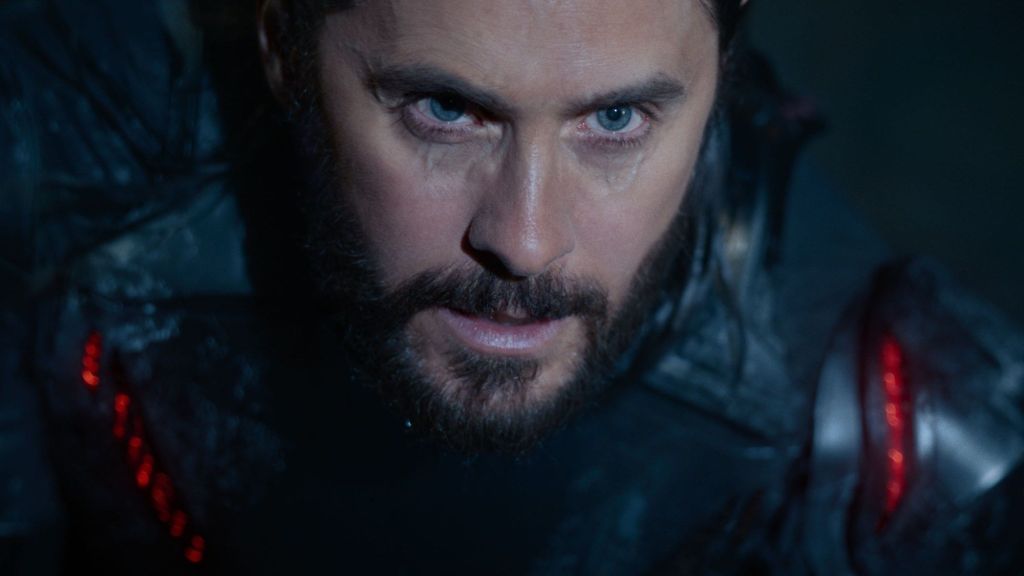
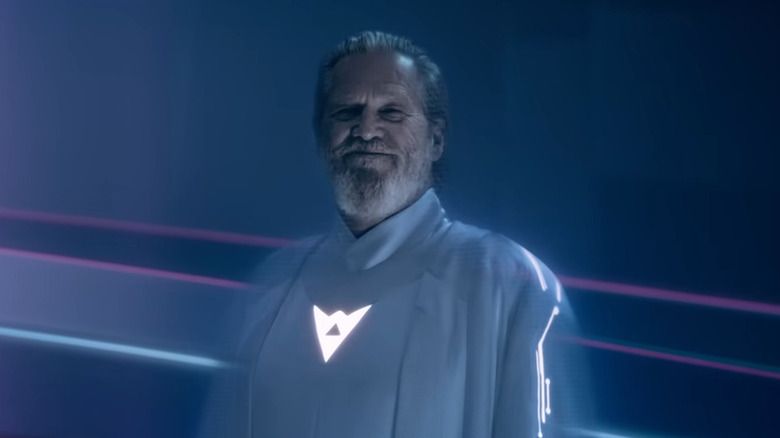
If the inclusion of Jared Leto as protagonist program Ares – a defective warrior security program with a Pinocchio Complex – didn’t already spell a dead-on-arrival portent enough (never mind the cringe-inducing GROK and Mr.Beast promotional tie-ins, no less), then surely its limp, impressively lifeless script leaves even the most seasoned actors with little to work with. Be it Greta Lee, Gillian Anderson (whose appearance has perhaps never more been misspent), Jodie Turner-Smith, or Evan Peters, the characters rendered within are far more akin to programs of The Grid – facsimiles of human beings, sequenced together with zeroes and ones. The closest thing to an emotional thread is that of Lee’s Eve Kim – the de facto fresh-faced ENCOM CEO – working through the loss of her idealistic sister, Tess Kim. One would think there would be plenty of narrative opportunities to pull on the emotional threads of loss, grief, and acceptance, but Ares is content to do precisely bupkis with the material. Leto, in particular, offers up the stalest, most wooden high-profile lead performance I’ve seen all year, and I do not say that lightly. Not only can he not sell the basic arc of his character, nor can he sell any potential romantic tension, and worse of all, every single attempt at humorous levity falls flat on its face. Not even the mighty Jeff Bridges, reprising his role as series staple Kevin Flynn, can afford the film any liftoff. Consequently, Ares is tonally imbalanced and deeply dull in long stretches, broken up only occasionally with the interspersed program-on-program fight. Even with all the Identity Discs, Lightcycles, and Recognizers a modern Disney budget could afford, the thrills are so few and far between.
What’s more is that this third entry in the franchise is content on expanding our knowledge of its universe so little, merely situating conflict within its environs without ever truly building the world around it. Every I/O Tower might as well be empty. If there’s any singular element that the franchise offers consistently, it’s a thumping score and soundtrack; Wendy Carlos‘ original polyphonic glitch tunes of ’82 would go on to be extrapolated upon with Legacy‘s full tilt into Daft Punk. Similarly, the brain trust of Trent Reznor and Atticus Ross reunite as Nine Inch Nails to provide a blaring, theater seat-pulsating score that has the downside of drowning out key dialogue in the midst of the film’s many chase sequences. What continues to be exceedingly frustrating throughout the two hour runtime is just how dutifully it fails to move the needle on the whole of the Tron IP. It has no interest following up on the thematic or narrative threads from the film prior; last time, we learned that ISOs – organic algorithms that are living, feeling data programs not made by any User not only exist, but can survive and thrive in the real world. The majority of this tertiary outing is spent IRL with a droll ensemble, rather than The Grid, and the promise of Quorra making it out with Sam and the implications that held for the world (could an organic User and an ISO have a child, the way Rachael did with Deckard in Blade Runner 2049?) are sidelined in favor of a back-and-forth game of two boring billionaires vying for control of a MacGuffin that could answer The Pinocchio Conundrum (if nothing else, Peters at least gives a performance that is easy to root against, with Julian Dillinger being a stand-in for every Musk-like tech giant with misguided dreams of grandeur and an unabated bloodlust against those who make him feel unworthy of his nepotistic throne).

Its deeply unearned and tone deaf tech-optimism – arguing for the hopeful use of artificial intelligence as a means to benefit the world – comes at precisely the worst time; when its current overuse spells the needless, round-the-clock cooling of data centers to the tune of billions of gallons of water globally. In the end, Tron: Ares is the worst kind of legasequel – a do-nothing, say-nothing entry that turns iconic imagery into pastiche playthings amidst a familiar, yet empty backdrop in service of ultimately meaningless fluff. While not outright flagrantly offensive of a narrtive, Ares is emblematic of an industry sea change that is geared towards Content™; the utter disposability of the film and its characters is indicative of a cheapening of the medium such that monetary bottom lines are prioritized over meaningful storytelling. It even has the gall to leave cliffhanger threads dangling, as though they’ll be followed up any time sooner than another 15 years…if ever, at that.
 How Lucky Media