
Having had the immense foresight to save up enough money to fund a year of remaining a New York City native while I pursue my own artistic goals, I had more time than usual in 2025 to dedicate to the cinema. And oh, what a joyous year it has been! I truly never tire of seeing my good personal friend, Nicole Kidman, reminding us of the magic of the movies before every screening at my local AMC Theater.
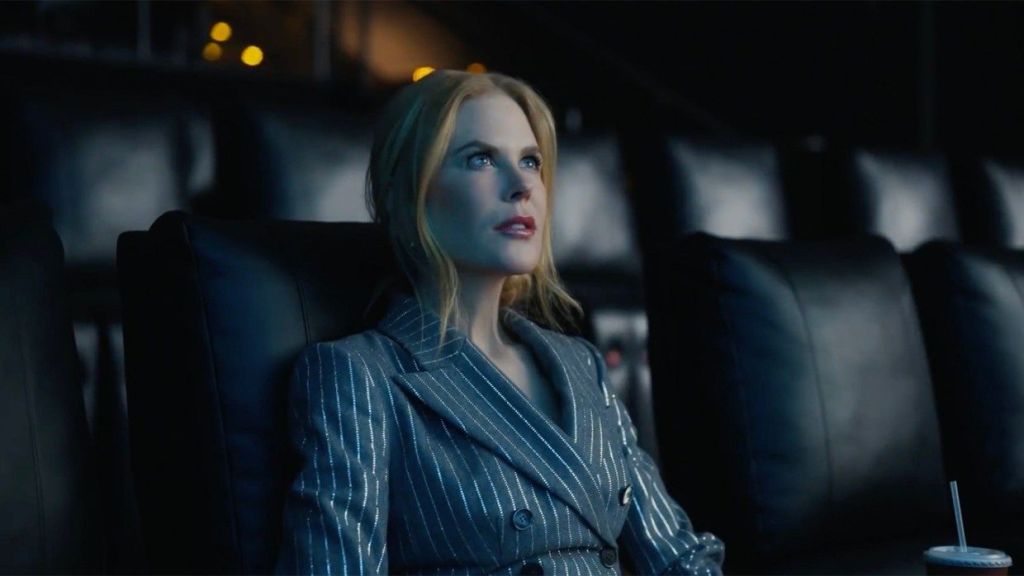
As of the time of writing this, I have seen well over 150 movies this year (165, to be exact). Yes, yes, while I have become the walking embodiment of the “Your unemployed friend at 2:00 PM on a Tuesday” meme, 2025 will be fondly looked back upon as My Movie Year. Being privy to so many recent releases has really helped me further my skill set as a film critic, sharpening the distinctions in granularity between what movies and filmatic choices best work for my sensibilities. Having been swayed (read: shamed) by my teenage cousin two Thanksgivings ago to download Letterboxd – being the overactive “Film Guy” and de facto media glutton of the family – I have been immensely active with the process of logging my watches, and providing in-depth reviews (feel free to drop a follow @paragonpostcard). It has sharpened my skills as both a writer, but as well as a lover of film. Thinking further on one’s art experience and articulating your thoughts is the only antidote to the current decline in media comprehension within our pop cultural sphere.
Is AMC A-List worth the subscription?

Let me get this right out of the way. Yes, AMC A-List did, in fact, receive a price increase this past March. But for the sheer amount of value one can really wring out of such a deal, I must unequivocally say that A-List is absolutely worth the $28 a month. If you watch so much as two films in a single month, it will have already paid for itself. And that’s before you factor in the recent benefits they afford users. As of March, A-Listers can now see up to four movies a week in any format; just shelling out the cash for a single IMAX screening is nearly the cost of a month’s worth of A-List entertainment. You are able to reserve your seats for films in advance through the AMC app, and your inventory of 4 reservation slots renews every Friday, giving you 16 movies in the span of a month. Naturally, perform your own cost-benefit analysis accordingly, but you simply won’t find a better deal than this if you are a dedicated cinephile. I frankly get so much value out of it that I am actively saving money and am much more frequently going to the cinema than if I were to be paying for individual outings every time I wanted to watch a film.
You also reap the benefits of earning points towards rewards that can save you a ton of theater snacks, affording you the ability to skip the regular line to fast-track your popcorn acquisition. But perhaps most saliently, my favorite A-List offering is the twice monthly AMC Screen Unseen – an incredibly fun film roulette format where moviegoers gather together to blindly watch a film that goes unannounced until showtime. It’s encouraged general audiences to participate in watching films they might not have paid for otherwise, or may not have even heard of prior. Screen Unseen has an uncanny ability of selecting films that are genuine crowd-pleasers (if the Letterboxd translation here helps, they have a consistent batting average of dishing out 3½ ⭐ screenings). There are even themed Scream Unseen viewings on special occasions when the genre of the evening is horror. If you are a lover of cinema, and are looking for a good deal that effectively pays for itself, I could not recommend AMC A-List higher.
My Life As An Advanced Screener
On top of being an A-Lister, what’s really allowed my number of films seen this year to skyrocket has been participating as an advanced screener. Having been swayed to become a Letterboxd lifer, one of my biggest pro tips is that if you live in a major city in the United States, definitely make sure to edit your Letterboxd profile preferences to enable offering emails. I know, I know, the average person doesn’t like allowing companies to flood their inbox with useless spam, but these offerings are too good to pass up, many of them allowing you to see critically-praised, hotly-anticipated films before they are even readily watchable by the general public. And? These advanced screenings come at the very agreeable cost of free ninety-nine ($0.00). The only catch is that seating availability is on a first-come, first-served basis, so make sure to arrive at the designated theater an hour before doors open so you can ensure you make it comfortably inside.
Having made connections with many of the lovely Letterboxd crew that often appear on-site at these events, I have even been roped into becoming a demographic screener for companies such as A24, NEON, and Focus Features. This is all through a parent market research company that is hungry for test audiences to receive feedback from, known as ERm Research. If you’re active on Instagram, feel free to give them a follow @ermresearch, where you can keep up with great free offerings from their First Watch Club. It’s the perfect way to stay ahead of the awards season buzz by getting to see the year’s biggest films before they hit the big screen everywhere.
The Death of Movie Theater Etiquette
Having gone to the theater over 150 times this year, I have been more than a direct witness to the deterioration of humanity’s ability to abide public courtesies. The COVID-19 quarantine seems to have been a massive hard reset on the norms of social contracts, and as a result, general audiences have never been more obnoxious to sit with. The decorum around cell phone usage has all but been eradicated. Screen-blaring is as ubiquitous as ever. I’ve specifically noticed a wider margin of elders nonchalantly blasting 10,000 lumens into the eyes of their fellow audience members more frequently than that of the obligatory screenagers and twenty-somethings. There are straight up some people who remain on their full-brightness devices, actively scrolling on social media during the events of a film. This is not your living room! You are not in a solitary space where you can doze off to whatever form of background entertainment you have playing while you mindlessly cultivate hits of dopamine. Watching a movie is a communal activity, and not only are you refusing to be a participant, you are actively making the experience worse for everyone around you!
The burgeoning list of cinema faux-pas only seems to be expanding, as more and more theaters become entrenched in the norm of reserved seating. Moviegoing from its earliest days – all the way up to the 2010s – used to adhere to a seating model that came at the moviegoer’s discretion; you would have to make sure to arrive at your theater just early enough to get a good seat and to enjoy the coming attractions. In the age of the smartphone with many a theater app in tow, reserving specific seats has become newly standardized. The problem, of course, is when people purchase a particular seat, then willingly choose to sit somewhere else in the theater. All it takes is one person not sitting in the very seat they chose for themselves at the time of checkout to create a domino effect where several people are now standing up just as a film starts, in an effort to resolve a social problem that wouldn’t exist otherwise. The only scenario where it is okay to actively forego your reserved seat is if by the time Nicole Kidman comes onscreen the auditorium is somehow miraculously emptier than you had imagined, it’s fine to shift over a seat or two. But especially during a primetime Friday night screening of the hottest new film, do yourself and others a favor, and just sit where you agreed to.
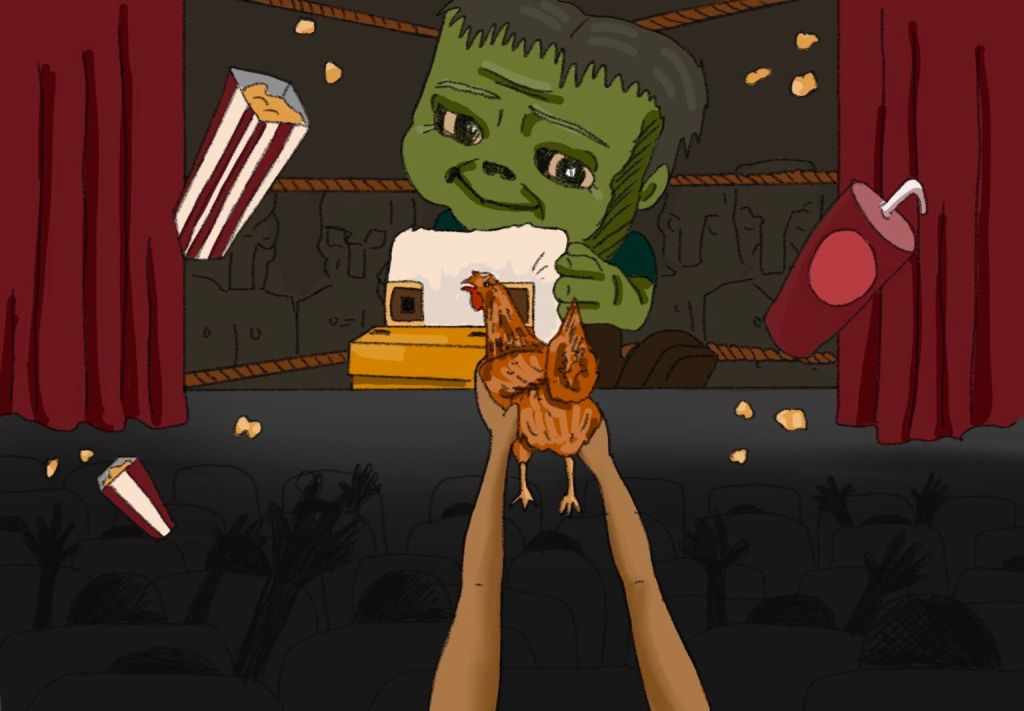
And sure, movie theaters are equipped with staff that help clean up the interiors after every screening to ensure a respectable viewing environment for all involved, but there has never been a greater influx of people who actively leave the theater dirtier than it was before the lights dimmed and refuse to bring any of their refuse with them on the way out. Employees have never had a harder year than the very same that popularized the madcap, popcorn-flinging, live-poultry-smuggling reactions to the words “CHICKEN JOCKEY!!” Do the folks a solid and keep your kernels to yourself, your voice at a respectable low octave, and for goodness sake, please take your trash with you upon exiting. I promise, it’s not asking that much of you.
The Current State of the Film Industry
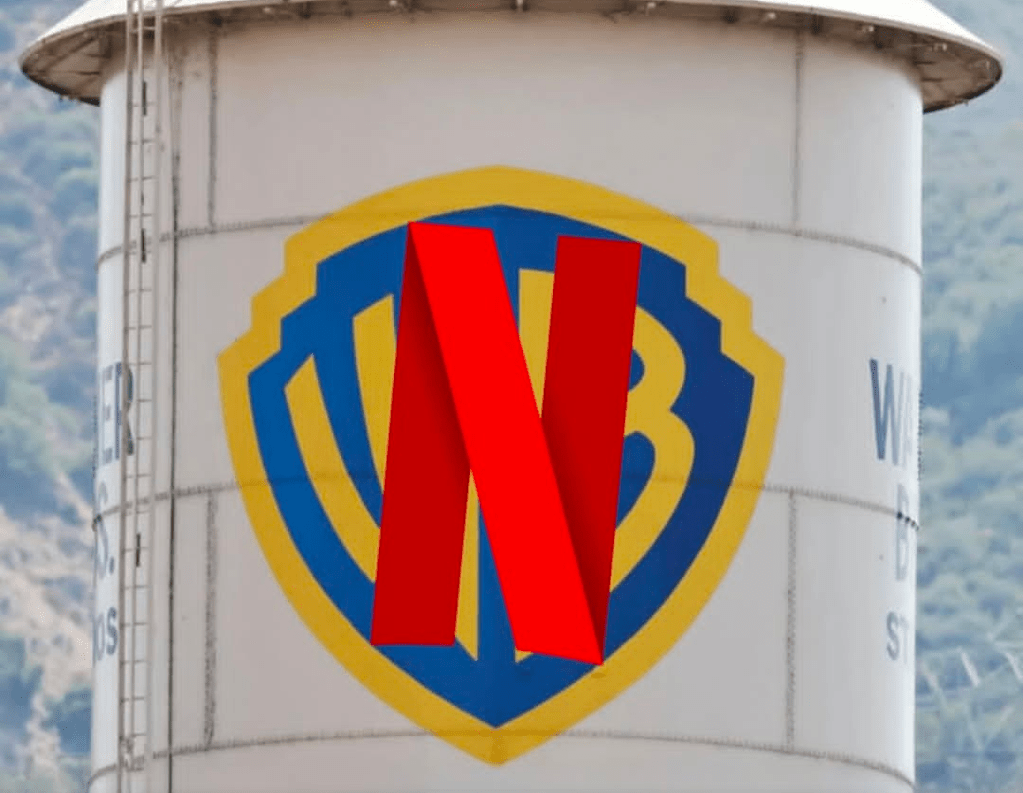
As a lover of cinema, the current boardroom happenings of the 2025 pop cultural landscape look…well, in a word…bleak. The theatergoing experience is actively being pushed back upon by lame-brained studio execs who only wish to line their pockets with more streaming service money. I’d wager that the existential, cultural, and communal benefits of joining a room full of strangers to experience a piece of art together has more societal function and potential for net good than any form of at-home convenience could ever afford. This won’t stop the top dogs from trying to achieve total vertical integration, owning the rights and means to everything they would need to constitute a formal monopolization of the industry. Streaming juggernaut Netflix – during a year where many of their biggest properties, such as Stranger Things, are coming to a close – recently made a ludicrous buyout bid for Warner Bros. Discovery to the tune of $83 BILLION. Yes. You are not reading that incorrectly: Eighty. Three. BILLION. DOLLARS. The power this would afford Netflix would make it an anti-trust nightmare, giving co-CEOs Ted Sarandos & Reed Hastings more unilateral entertainment power than arguably David Zaslav has ever known.
Part of the inherent existential threat of this hostile bid is the effect it will have on theatrical releases. Netflix has had a notable lineup of films under their banner this year that deserve the proper treatment of being experienced in-person with an engaged crowd; from the gorgeous naturalism of Train Dreams, to the career retrospective Jay Kelly, to the Gothic majesty of Guillermo del Toro‘s Frankenstein, and even Rian Johnson’s latest whodunnit, Wake Up Dead Man, these features beg for the silver screen more than the laptop screen. And should Netflix successfully corner the market and absorb WB’s many properties and IPs, there’s no telling just how limited – if at all – the windows of theatrical releases will last. And that’s all before mentioning how emboldened they’ll be to raise the monthly price of using their streaming service. It is all one incredibly steep, incredibly slippery slope.
The 2025 AMC Awards
In lieu of all the doom-and-gloom pontificating on the future of the industry, it’s important to emphasize just how major this year has been for film; so many releases will likely be looked back upon as classics of their respective genres. As such, it’s only right that I present trophies for the first annual AMC Awards. Out of the 165 films I’ve seen in 2025, these are the worthiest entries in their respective categories. Let’s run it down.
Best Directorial Debut: Sorry, Baby 🏆
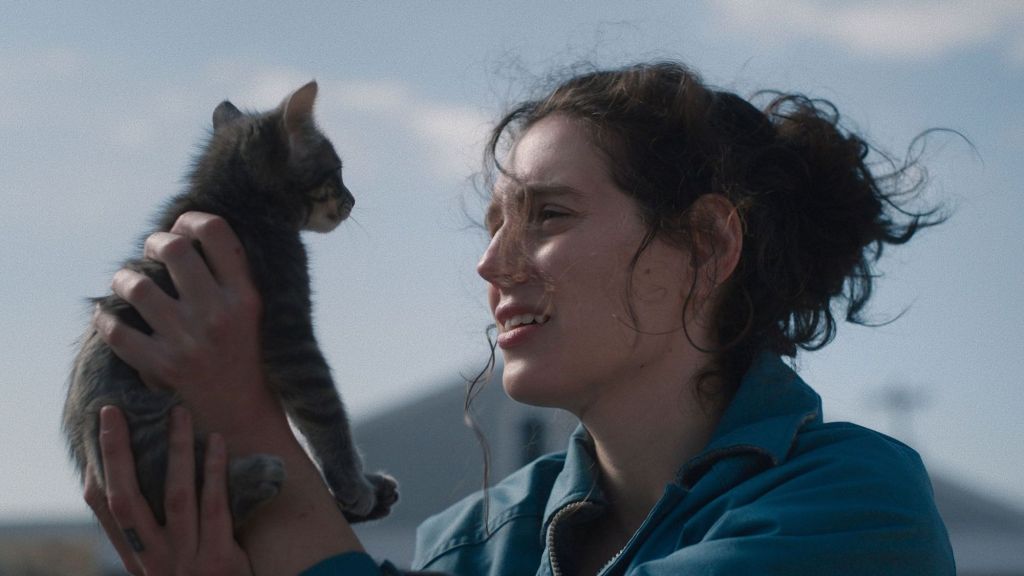
First outings can be a daunting affair. Putting a completed work of art out into the world is the launching pad of any director’s career, and a breakout debut can really put a new talent’s name on the map. Though 2025 has been no stranger to many numerous inaugural pictures by first-time directors, Eva Victor carves out something truly raw and profound with Sorry, Baby. This black comedy examines the singular kind of isolation that comes from enduring an event so horrid that it seeps into your very bones. On top of bearing the voice of a seasoned veteran wielding a top-down understanding of every technical and narrative element – despite this being Victor’s debut – Sorry, Baby is truly unique in how it depicts the exhaustion that comes with enduring the rehearsed empathy playbook from others who couldn’t possibly understand the immensity of what you’ve been through.
Best Oner Sequence: Sinners 🏆
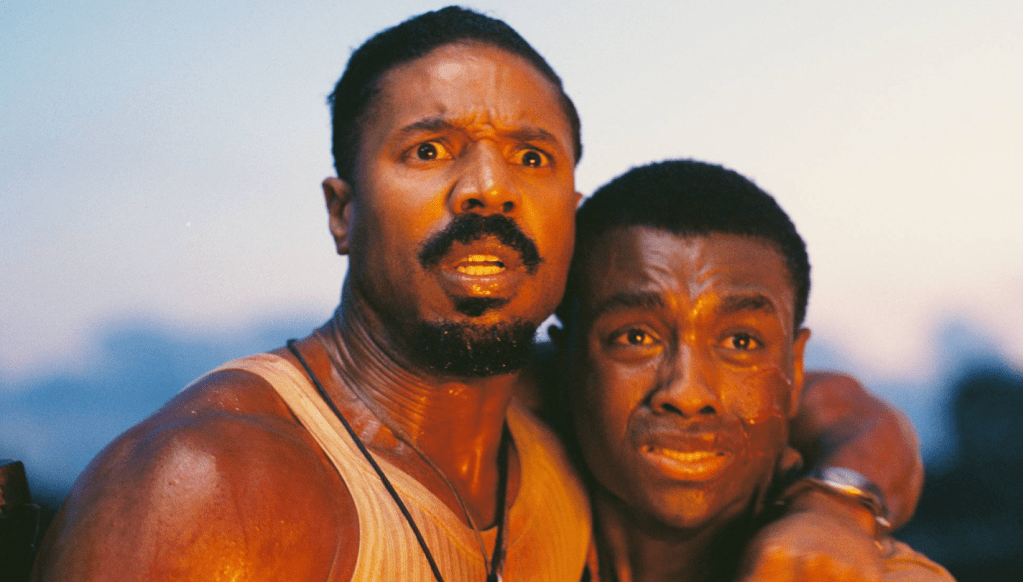
The art of the one-cut sequence has risen in prominence in recent years, becoming a major flex of both artistic vision and technical execution. Making a scene feel seamless between all of its actions, balancing characters and their blocking, and keeping up a kinetic pacing with the camera work is no easy task. And perhaps nowhere else this year has the oner been pulled off more effortlessly and artfully than Preacher Boy Sammie’s barn burner sequence in Ryan Coogler‘s Sinners. The eras, styles, and cultures, of dance, music, and fashion collide in Coogler’s most mesmerizing sequence yet, anchored by newcomer Miles Caton‘s impeccable vocal range. Some songs are so powerful that they are able to pierce the veil of time and space, transcending all limitations. Sinners is a living testament to the power of music as an extension of cultural memory. Best of luck to any juke joint that hopes to keep its roof safely fastened.
Best Cinematography: Wake Up Dead Man 🏆
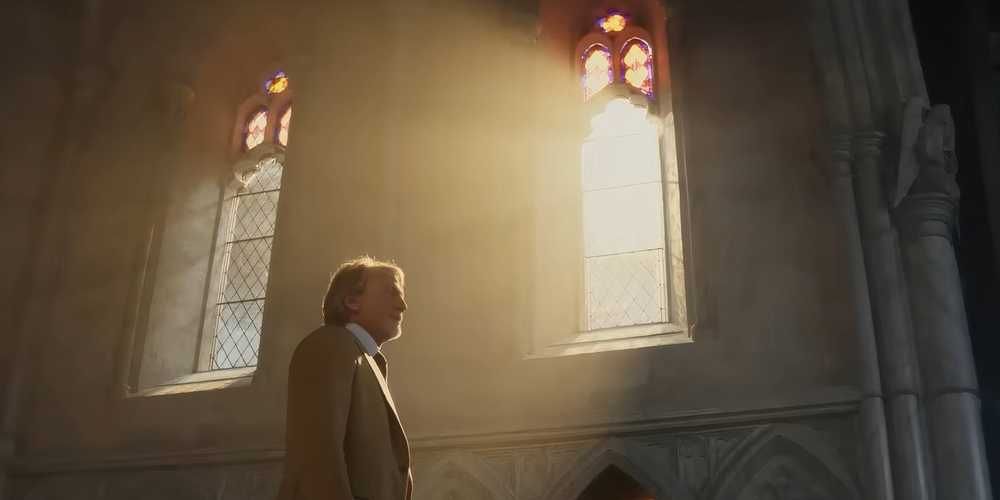
The latest entry in the Agatha Christie-inspired Rian Johnson whodunnit series, Knives Out – the appropriately-titled Wake Up Dead Man – sees the director reunite with long-time collaborator, cinematographer Steve Yedlin. Having built a working dynamic together since the indie parking lot days of Brick, the Johnson-Yedlin mind meld is one of the most reliable tandem efforts at bringing an artistic vision to life with stunning results. Dead Man is no slouch narratively, and especially visually. Pulling from Johnson’s own evangelical Protestant upbringing at a story level, but borrowing from the aesthetics of Catholicism, Yedlin helps craft a Gothic, upstate New York that seamlessly blends 1800s architecture with environments starved of their holiness – a church interior with a visibly absent crucifix. What’s more is that Yedlin imbues the lighting with the ability to aid in the storytelling: Blanc’s godless tirade casting a deep shadow over the chapel, and returning with Father Jud’s hopeful appeal to the empowering nature of faith as a story we tell ourselves to survive. There are simply too many compositions to count that will leave you stunned (some of which are achieved by way of practical effects), always demonstrating a mastery of the visual medium.
Biggest Surprise of 2025: Clown in a Cornfield 🏆
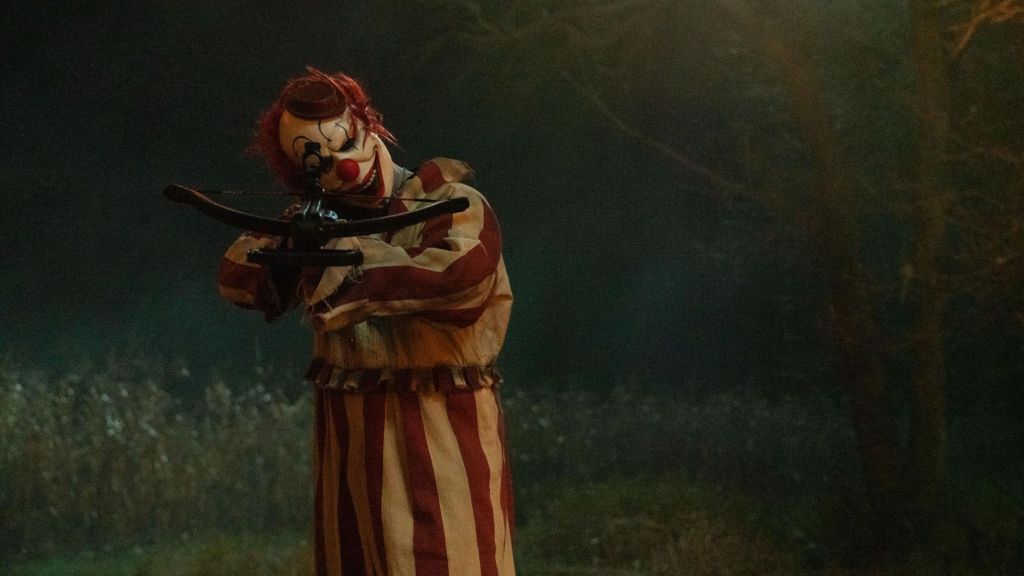
Okay, hear me out. Some titles simply radiate the vibes of a low-budget, bound-to-be-terrible experience, and yet some manage to turn in more solid times in spite of their naming conventions. Clown in a Cornfield is one such film. The title alone projects major two-star-out-of-five energy, what with the titular Frendo the Clown seeming like a mascot you’d find hidden at the bottom of a bargain bin at a video store. And yet…somehow, Eli Craig manages to imbue the picture with genre savvy, well-earned laughs, gnarly kills, and above all, thematic weight. It doesn’t hurt that Katie Douglas‘ Quinn isn’t the typical insufferable stock of the archetypal teenage Final Girl; in fact, she really comes alive in the role, and emerges feeling far more three-dimensional than I could have ever anticipated. It’s not just an empty calories slasher – it has some genuinely fascinating things to say about how small town communities tend to breed conservative intolerance, and moreover, generational antagonism. It is a surprisingly poignant indictment on the insidious nature of “small town values,” and while it’s certainly no Sinners, I walked away from Clown in a Cornfield not just entertained, but more intellectually fulfilled than one could have predicted.
Biggest Disappointment: After The Hunt 🏆
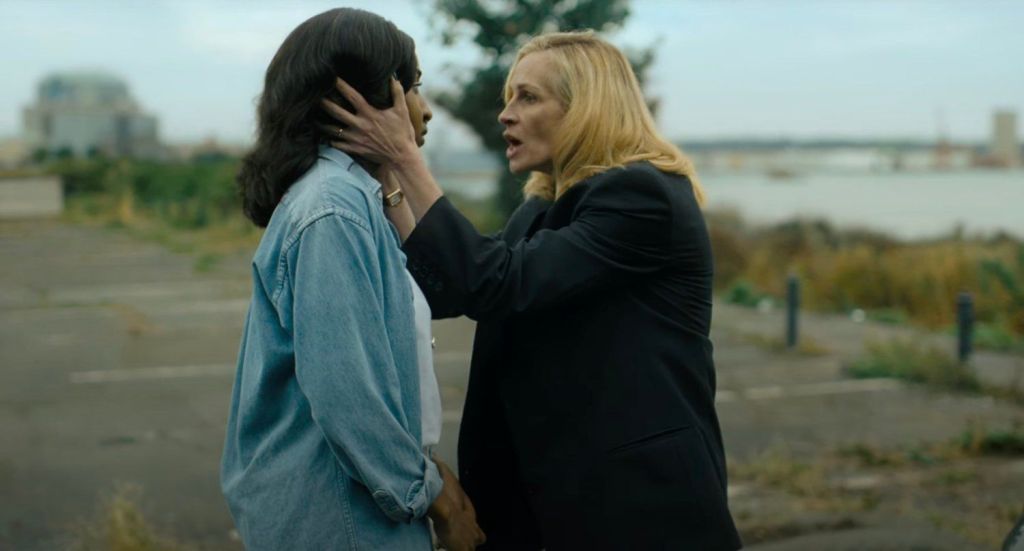
Luca Guadagnino has amassed a filmography that has proven his sharpness as a filmmaker. It then begs the question: “When a film falls flat on its face, is it squarely the director to blame?” For my money, the many shocking failures of After The Hunt stem from Nora Garrett‘s insufferable debut screenplay. A tale of professorial misconduct, Garrett’s writing is overly stuffy in a collegiate way where, despite taking place at Yale, the film always feels like it’s continually talking down to the audience. Worse even, is that its ensemble of ill-intentioned, pretentious, privileged blowhards – even while dutifully acted by the likes of Andrew Garfield & Julia Roberts – dedicate the entirety of their runtime espousing frankly bullshit “own the libs” talking points, decrying the societal omnipresence of cancel culture, identity politics, virtue ethics, performative discontent, and pronoun usage. Rather than, y’know…address the misconduct at the heart of the story? It is so singularly driven to piledrive its intended targets into the ground that it instead reads as a laundry list of bad faith grievances that it spends its nauseating two and a half hours hammering home. Watching the film in theaters felt akin to witnessing emboldened conservatism loudly declaring its total cultural victory. More than an hour longer than it has any right being, After The Hunt is a disappointing sore thumb in Guadagnino’s otherwise rock-solid filmography.
Most Existential: The Life of Chuck 🏆
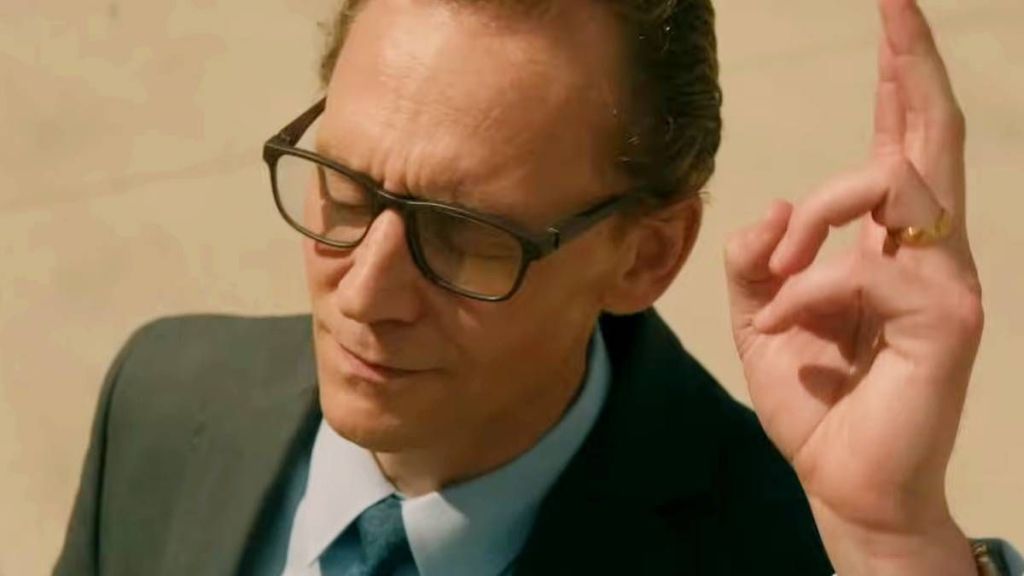
A number of motion features in 2025 tackled the human spirit head-on in their screenplays, but none have managed to burrow so deeply beneath my skin than Mike Flanagan‘s adaptation of the Stephen King short story, The Life of Chuck. Unconventionally structured as if to throw off the audience to its ultimate machinations, the film begins as a bleak window into the coming apocalyptica. When the stars blink out indefinitely into the infinite dark curtain of night, what more is there to do but sit beside someone you love and go through the end times together? Once the story proper situates itself on Tom Hiddleston‘s Chuck Krantz, we move closer to the Big Idea – life is not about dreading the coming end, it’s about savoring the moments that make us feel most alive. Sometimes, when a groove compels your body to do the talking, you must simply surrender to the rhythm and cut a rug.
Instant Classic Sequence: One Battle After Another 🏆
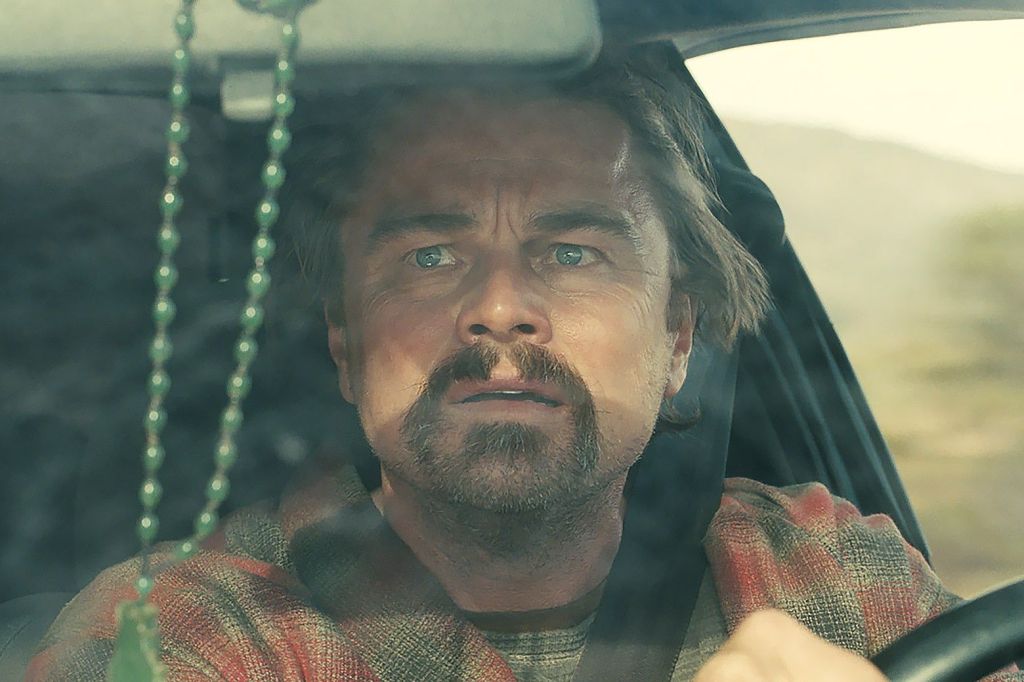
It’s frankly astounding to me that Paul Thomas Anderson structures his storytelling on the fly, such that characters inform the narrative, instead of the cast merely being drawn along a predetermined path. Such is the case for the now-famous rolling hills chase scene at the end of One Battle After Another, which did not exist on the page until well into production, allowing Bob Ferguson and his daughter, Willa, dictate the direction. Capturing this pulse-pounding confrontation on Vistavision only adds to the tension; each peak and trough of road another opportunity for the enemy to reveal themselves. It’s here especially that newcomer Chase Infiniti‘s Willa firmly cements herself as one of the best debut performances of the year. The fact that DiCaprio’s Bob hardly has anything to do with the resolution of the primary narrative is not a knock; his presence is there purely for reconciliatory purposes once his daughter fully inherits the same struggle for revolution that he once pledged himself. A snarling, skid-marked scene that instantly finds itself among the decade’s bests.
Best Needle Drop: Superman 🏆
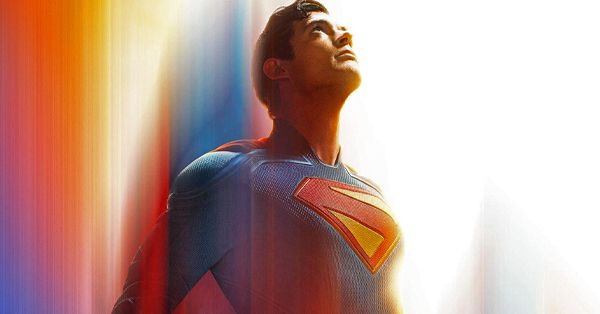
James Gunn‘s Superman marks a fresh, renewed timeline on the otherwise convoluted and deeply uneven DCEU, bringing David Corenswet‘s Clark Kent into broad daylight. It manages to emerge as a film that understands the base essentials of why the Man of Steel is a symbol of hopepunk – because truly, what if kindness is the new punk rock? In a world where rugged individualism prevails and tyranny reigns supreme, is it not fundamentally countercultural to care about the other people around you? Though there are many notable needle drops throughout the year – Katy Perry‘s “Firework” in Eddington, Steely Dan‘s “Dirty Work” in One Battle After Another, and Sentimental Value’s perfect closeout with Labi Siffre‘s “Cannock Chase,” to name a few – the most iconic invocation of an existing song in film all year undoubtedly goes to Teddybears‘ (ft. Iggy Pop) “Punkrocker” – the ultimate reminder that everyone’s favorite Kryptonian is an avatar of defying society’s norms with a smile.
Most Manic Film of the Year: Marty Supreme 🏆

The last great filmatic marketing campaign was a twofold effort that came about purely by word of mouth; the dueling aesthetics of Barbenheimer was a perfect storm of online chatter and genuine cinematic interest such that each movie’s success only propped the other up. A more conscious effort from the Marty Supreme marketing team has conjured up the next great film rollout. Banking entirely on the meteoric fame of Timothée Chalamet, hot off his SAG Awards acceptance speech where he pledged to be in both pursuit of and in service to greatness, the lead up to the film’s release has been nothing short of iconic. Be it the manic nature of the now-infamous spoof Zoom call (“SCHWEP!”), or the “all will be revealed” rap crossover with EsDeeKid, there has never been a more (ping pong) balls-to-wall campaign that has leaned full tilt into bonafide star power. All this in an effort to raise awareness about a feature by an auteur filmmaker with no existing IP attachment. It’s a bold play, to be sure, and Marty Supreme continually raises the stakes with an anxiety-ridden runtime that features Timmy’s most committed performance yet. It is a propulsive, ’80s synth-pop-tinged epic filled to the brim with table tennis, sex, honey, bathtubs, and every discernable wrong turn one could take in an effort to make it to Japan in time to fight your one-sided rival. No other entry this year can match the sheer livewire firepower of this nervous breakdown odyssey.
2025 Best Picture: Sentimental Value 🏆
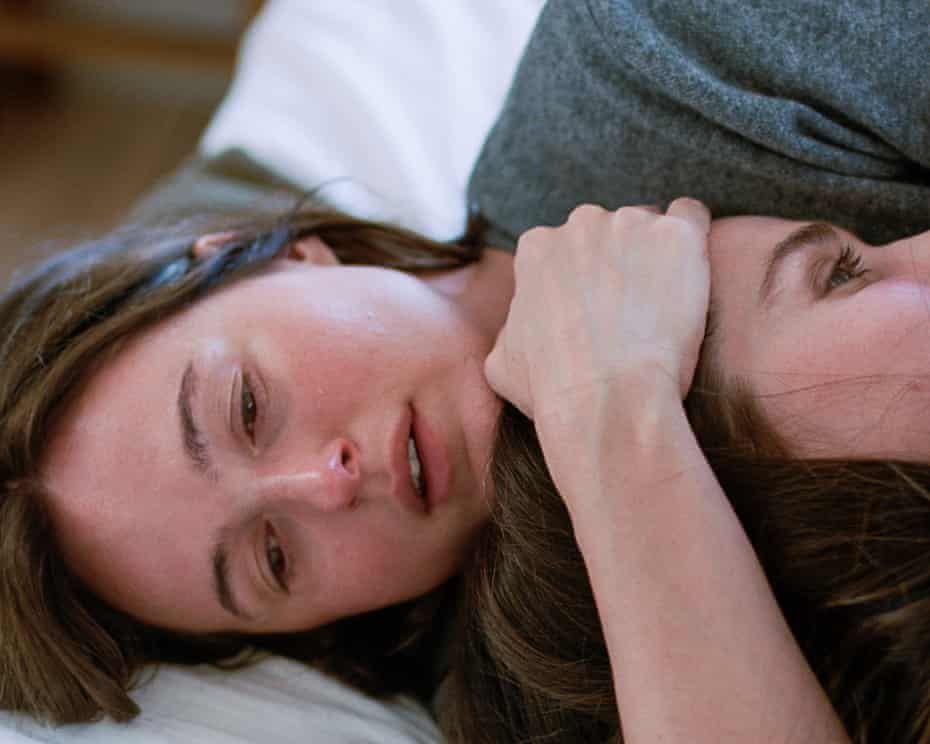
To close things out, I’d be completely remiss not to offer due time to the film that has managed to live rent-free in my head all year. Enjoying a recently-extended theatrical run, I was immensely fortunate to see Joachim Trier‘s immaculate Sentimental Value all the way back in June. It has never been more difficult remaining tight-lipped on social media, having signed an NDA for the advance screening. The Worst Person in The World director continues his Oslo Saga with another turn from the mighty Renate Reinsve, who plays opposite her emotionally-stunted famous filmmaker father, Gustav Borg, played by Stellan Skarsgard (who is also a prominent figure in my favorite television outing of the year, Andor). The film is set primarily in the Borg family home, a physical manifestation of generations of pain, trauma, unspoken words, overheard secrets, laughs, and fond memories alike. No film this year is more semiotically loaded, with each scene adding to the mythology of the Borg homestead and its inhabitants. It works overtime trying to factor in how art just might be able to mediate the conversational gap between estranged family members. Every single cast member – right down to Elle Fanning and Inga Ibsdotter Lilleaas – offer up career-best performances. On top of being the most dramatically-potent movie in 2025 (warranting tears that even rival the sobfest of Chloe Zhao‘s Hamnet), it is also dutifully funny; I laughed harder than I did at any comedy this year when Gustav gifts his grandson The Piano Teacher for his birthday. Final scenes are particularly difficult to pull off, in that they must be the culmination of both narrative threads and themes. Sentimental Value‘s ending sequence is permanently seared into my brain and etched onto my heart, offering the greatest catharsis of any theatergoing experience this year. I can only hope it earns its due come awards season.
 How Lucky Media